
The Local Number Advantage
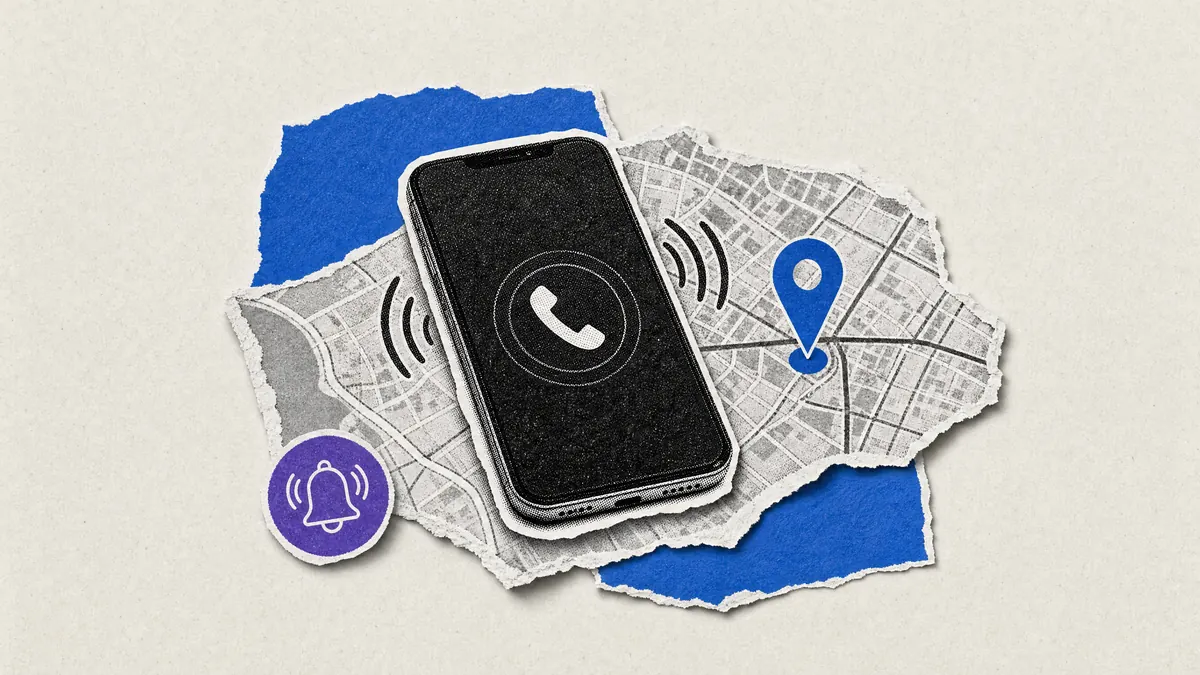
People decide whether to answer from the caller ID alone, and the area code is the first thing they read. In a 2014 Software Advice survey of more than 2,000 U.S. internet users, 27.5% said they would answer an unknown call from a local area code, against 13% for an unknown out-of-state number and 7% for a toll-free number. That is roughly twice the answer intent for a local number over an out-of-state one. It is what people said they would do, not a measured answer rate, so test it on your own calls.
Why Local Presence Works

1. Trust and Familiarity
People are conditioned to answer calls from numbers they might recognize. A local area code signals "this could be someone I know."
2. Patterns, Not Area Codes, Drive Spam Labels
A local number does not hide a bad calling pattern. Carrier analytics look at how a number behaves, such as bursts of calls, very short calls and low completion rates, which the FCC listed when it let carriers block calls by default (FCC 19-51). Spread calls across your pool and keep each number's volume sensible. Our guide to why calls show Spam Likely covers the rest.
3. Callback Behavior
When prospects see a missed call from a local number, they're much more likely to call back.
How Local Presence Works
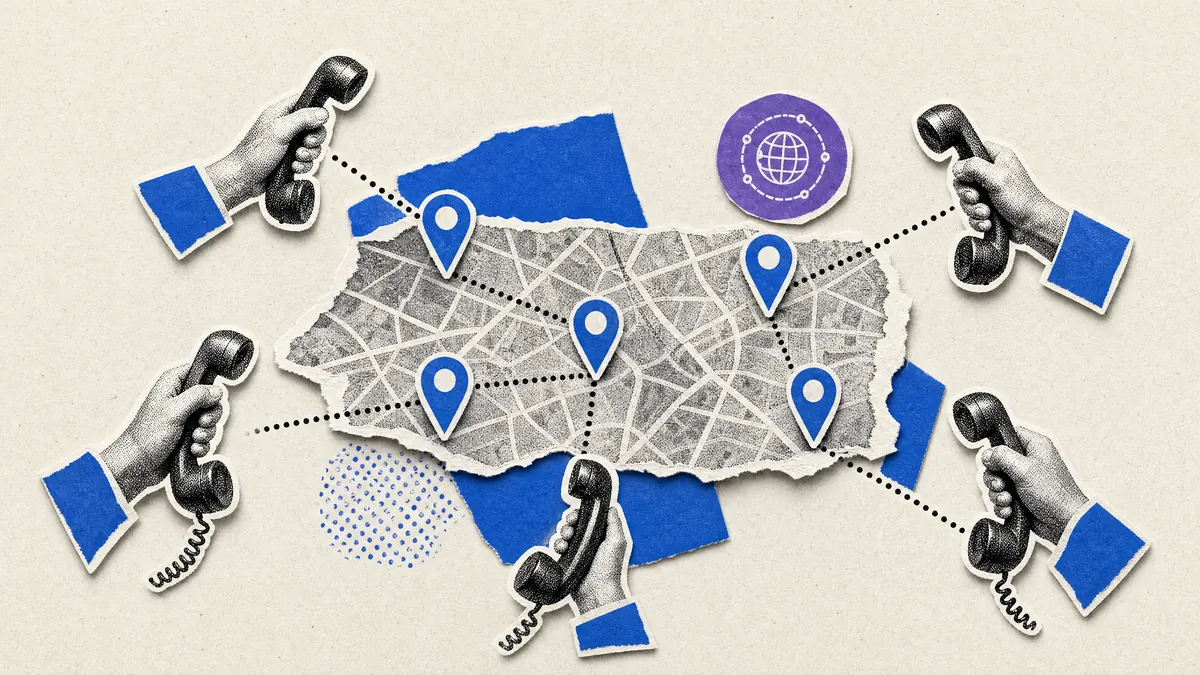
Modern local presence systems automatically:
- Detect the prospect's area code
- Select a matching local number from your pool
- Display that number on their caller ID
- Route callbacks to your main line
It's seamless. The prospect sees a local number. You make the call from your regular system.
Setting Up Local Presence
What You Need
- A pool of numbers across target area codes
- A calling platform with local presence capability
- Proper compliance setup (you still need consent!)
Best Practices
- Cover your territory: Get numbers for every area code you work
- Rotate numbers: Don't use the same local number too often
- Monitor performance: Track answer rates by area code
- Stay compliant: Local presence doesn't exempt you from DNC rules
Measuring Local Presence on Your Own Calls
Industry averages vary widely by list, line of business and time of day, so measure the effect on your own calls. Track these per area code and per number:
| Metric | What it tells you |
|---|---|
| Answer rate | Whether people pick up for that number |
| Callback rate | Whether missed calls turn into return calls |
| Replies to follow-up texts | Whether the lead recognises you after the call |
| Contacts per day | The number that matters for your pipeline |
Compare a few weeks with and without local presence on similar lead lists. Retire any number whose answer rate drops suddenly: that is often the first sign it has been labeled as spam.
Get Started with Local Presence
ApexSales.ai includes local presence dialing in every plan. See it in action.
Sources
The primary sources behind the rules, dates and figures in this article, checked November 2026. Rules change, so confirm the current version at the source.
- Software Advice: Local Presence Dialing survey (2014)27.5% of respondents said they would answer an unknown local number, against 13% for out-of-state and 7% for toll-free.
- FCC: Caller ID Spoofing (consumer guide)Caller ID rules bar misleading numbers sent to defraud, harm or wrongly gain, so displaying local numbers you own is not prohibited spoofing.
- U.S. Code (govinfo): 47 U.S.C. § 227(e), Truth in Caller ID ActTruth in Caller ID Act, the rule local presence must meet: no knowingly misleading caller ID sent to defraud, cause harm or wrongfully obtain value.
- eCFR: 47 CFR 64.1601, caller ID delivery requirements for telemarketersTelemarketers must transmit caller ID showing a number that lets anyone make a do-not-call request during business hours, so callbacks must reach you.
- eCFR: 47 CFR 64.1200, FCC telemarketing and telephone solicitation rulesUsing local numbers does not change the National Do Not Call, consent and 8 a.m. to 9 p.m. calling-hour rules, which still apply.
- FCC: Declaratory Ruling on default call blocking, FCC 19-51 (June 2019)Carriers may block calls using analytics such as large call bursts, short call durations and low completion rates, so per-number patterns matter.
New to a term in this article? See the sales and compliance glossary.